

You Professional Endoscope Suppliers!
Wuhan Darppon Medical Technology Co., Ltd is specialized in medical equipments and related products for both human and veterinary use Since its inception in 2009, has hundreds of business units, research institutes, laboratories equipment to provide service.Our Product: X-ray machine, endoscope, ultrasound, operating microscope, anesthesia ventilator, electrocardiogram machine, testing equipment, etc.


Why Choose Us
Accept ODM/OEM Service
We have welcome OEM and ODM orders. With rapid development, we won many honorary titles. Our products are widely recognized and trusted by users and can meet continuously changing economic and social needs.
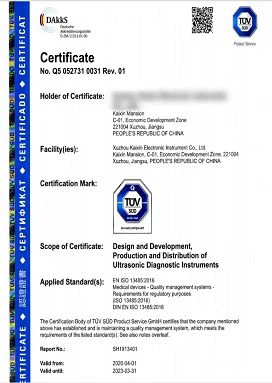
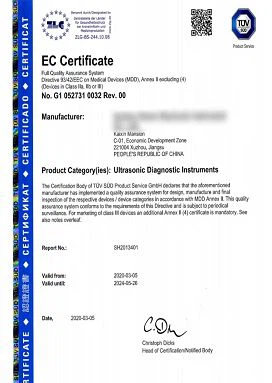
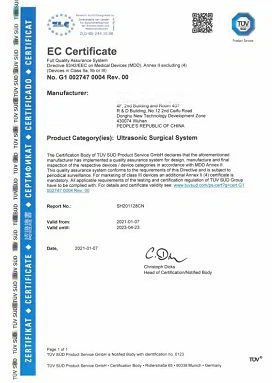
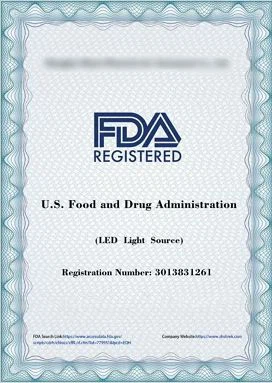
Our Certificate
Business license, medical device quality management system certification ISO13458 EU CE certification, medical sales certificate FSC.
Production Market
Our products are popular with customers all over the world. Until now, Darppon has exported products to more than 100 countries around the global market, the main sales markets are Europe, America, South America, Africa, Southeast Asia, etc.
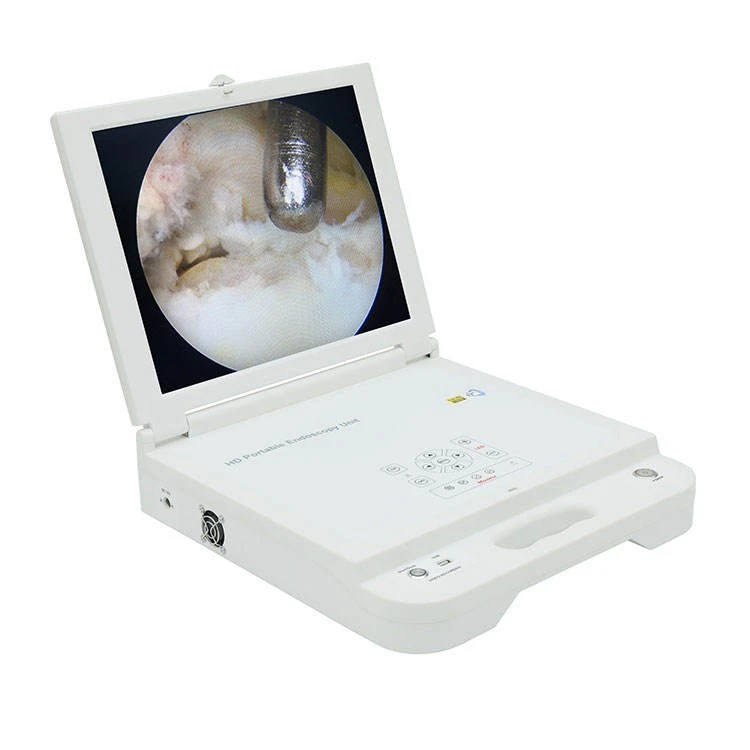
An endoscope is an inspection instrument composed of image sensor, optical lens, light source and mechanical device, which is used to look deep into the body by way of openings such as the mouth or anus. A typical endoscope applies several modern technologies including optics, ergonomics, precision mechanics, electronics, and software engineering. With an endoscope, it is possible to observe lesions that cannot be detected by X-ray, making it useful in medical diagnosis.
Product Specification
We offer the following Product Specifications:
|
Medical monitors |
|
|
LCD screen |
21" |
|
Endoscopic camera |
|
|
Image device |
1/1.8 CMOS |
|
SNR |
≥50dB |
|
Scan frequency |
1000TVL |
|
Frequency of scans |
N:60HZ P:60HZ |
|
White balance |
Auto/MANUAL |
|
Total Pixels |
N:2010(H)*1108(V)P:2010(H)*1118(V) |
|
Scanning mode |
Progressive scanning |
|
Horizontal Resolution |
1200TVL |
|
Minimum Illumination |
F1.2≤0.11Lx |
|
LED light source |
|
|
Light source |
LED lights |
|
Input power |
120VA |
|
Temperature |
≥6500K |
|
Brightness |
>1,200,000Lux |
|
HD video recorder |
|
|
Recordering format |
MP4 |
|
Recordering quality |
MAX 18Mbs @1080P 30Fps |
|
External U flash disk |
Max 64G |
|
External mobile HDD |
Max 2T |
Types of Endoscope
According to functions of the endoscope
Single-function endoscope: A single-function endoscope refers to an observation mirror that only has an optical system with it.
Multi-function endoscope: For a multi-functional endoscope, in addition to the function of observation, it also has at least one working channel like lighting, surgery, flushing and other functions.
According to detection areas reached by the endoscope
Enteroscope, Otoscope, Colonoscope, Rhinoscope, Arthroscope, Laparoscope etc.
According to rigidity of the endoscope
Rigid endoscope: A rigid endoscope is a prismatic optical system with advantages of clear imaging, multiple working channels and multiple viewpoints.
Flexible endoscope: A flexible endoscope is an optical-fiber-based system. Notable features of a flexible endoscope include that the lens can be manipulated by the operator to change direction, but the imaging quality is not as good as a rigid one.
Advantages of Endoscope
Minimally Invasive Nature
Endoscopy is minimally invasive compared to traditional surgical procedures, leading to shorter recovery times and reduced postoperative discomfort.
Direct Visualization
The ability to directly visualize internal structures allows for accurate diagnosis, targeted interventions, and the retrieval of tissue samples for biopsy.
Versatility Specialties
Endoscopy is versatile, with applications spanning gastroenterology, pulmonology, urology, and oncology, making it a valuable tool in multidisciplinary medical care.
Reduced Complications
The minimally invasive nature of endoscopy often results in fewer complications and a lower risk of infection compared to open surgery.
Structure of Endoscope
The endoscope consists of three main sections: the control section, the insertion section, and the connector section. The control section is used for steering the endoscope with its turn knob linked to the tool's apex point. The knob can bend horizontally and vertically, making insertion into the body easy and viewing body cavities from a 360-degree angle possible.
Components at the Tip of the Insertion Section
A major aspect of the insertion section of an endoscope involves the tip at certain points where diverse elements provide total operations of the device.
Objective Lens and Image Sensor
The insertion section comprises the objective lens and the image sensor at the forefront. These two partners allow for an extremely wide angle of view necessary in viewing large quantities of tissue material. Others of them come with an optical zoom that helps in the close examination.
Light Guides and Their Function
Light guides are also used for lighting the body cavity when carrying out endoscopic procedures. Light is transmitted from an external light source by these fiber bundles through the endoscope for appropriate lighting. This is crucial in the imaging of tissues, diagnosis of anomalies, and eventual surgical procedures' effectiveness.
Instrument Channel Outlet for Endo therapy Devices
Endo therapy is conducted via the instrument channel outlet. The other outlet, which has an exit opening, is a channel through which many of these procedures are conducted, such as biopsy instruments for cancer tissue excision and coagulators for the stopped bleeding from mucosal lesions. These disposable devices are able to pass smoothly through the instrument channel, thus making them more adaptive for endoscopes.
Nozzle for Feeding Water and Air
There is a nozzle that acts as both the lens cleaner and an instrument for dilating body cavities. Air is used to blow air into body cavities that improve visibility as well as the environment of the procedure, while water is used to clean the surface of a lens, which guarantees a clear view.
Precautions for use of Endoscope
Mechanical cleaning
The operating channels and external portions of the endoscope are washed thoroughly, wiped with special liquids that contain enzymes, and brushed with special cleaning instruments.
Leakage testing
The endoscope is tested to be sure that there are no leaks in its internal operating channels. This not only ensures peak performance of the endoscope, but also allows immediate detection of internal defects that could be a potential focus of infection within the device.
Use of chemical disinfectants
Next, the endoscope is soaked continuously for an appropriate time period with one of several approved liquid chemicals that destroy microorganisms which can cause infections in humans, including the AIDS virus, hepatitis viruses, and potentially harmful bacteria.
Rinsing and drying
After exposure to the chemical disinfectant, the endoscope channels are flushed with sterile water followed by alcohol and then air dried to eliminate any moisture that could be a site of bacterial growth from the environment. The endoscope is then stored on a specialized hanger to keep it dry and free of contamination.
Packaging and Delivery

Certifications


FAQ
We're professional endoscope manufacturers and suppliers in China, specialized in providing high quality customized service. We warmly welcome you to wholesale cheap endoscope made in China here from our factory. For price consultation, contact us.